The cheapest money you will spend on your building
A soil test costs a fraction of one per cent of a build. Skipping it is the most expensive economy in construction.
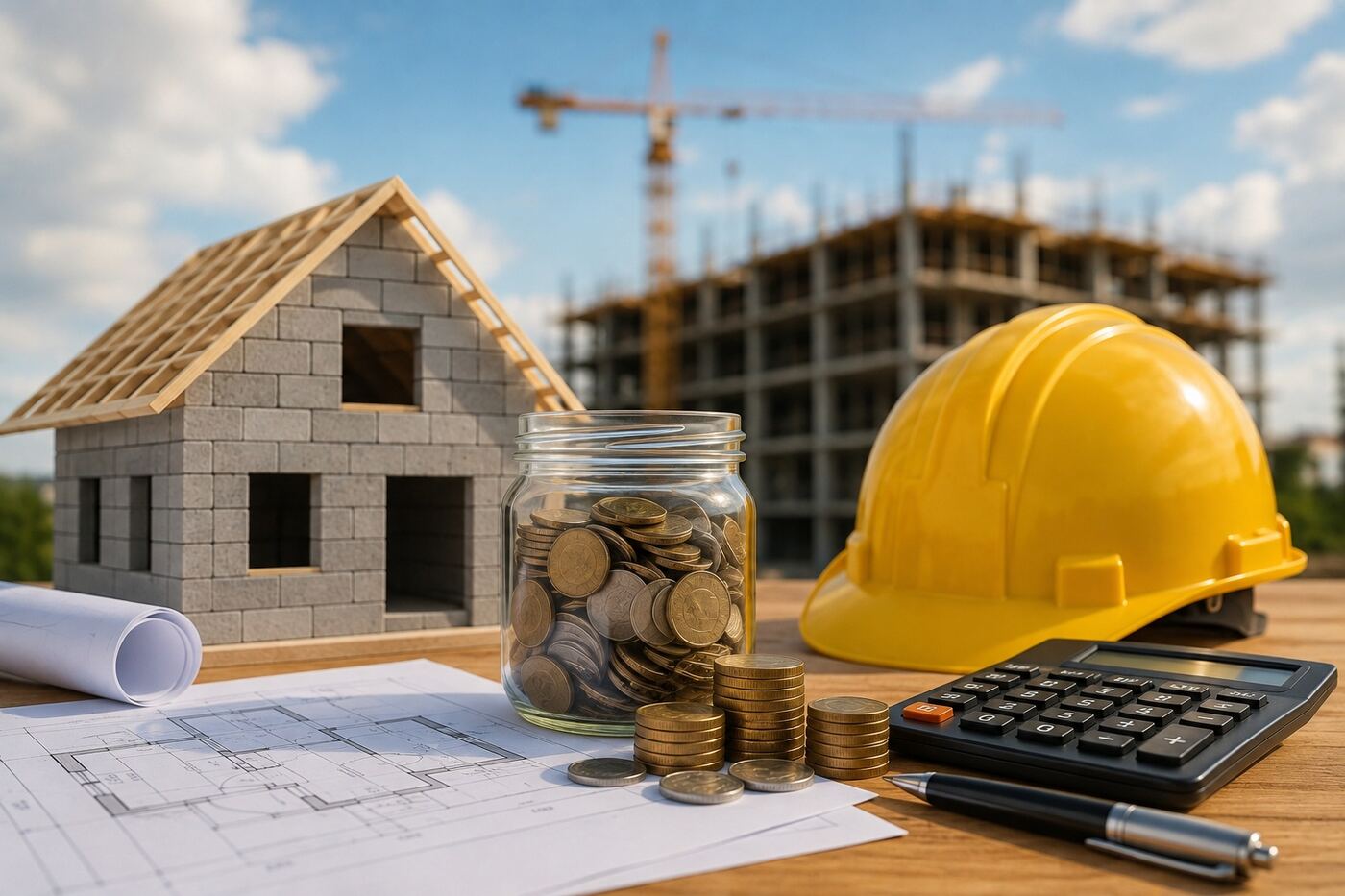
People building for the first time often ask whether the soil investigation can be skipped, or done after the foundation design is settled. The honest answer is that it can be skipped in the way a seatbelt can be skipped.
What the test tells you
It tells you what is under the plot and how much weight it will carry. Bearing capacity decides the foundation: a plot that takes a simple strip footing and one that needs a raft or piles can look identical from the road and differ by a very large sum.
It tells you where the water is. In parts of Lekki and Ajah the water table sits close enough to the surface to change the excavation method, the concrete mix and the waterproofing.
And it tells you what the plot used to be. Filled ground, an old refuse pit, a stream course that was covered thirty years ago — none of it is visible once the topsoil is levelled, and all of it decides your foundation.
What skipping it costs
Foundations get designed on assumptions instead of measurements, and there are only two ways that goes.
Assume too little and the building settles — cracks in the blockwork in the first two years, doors that stop closing, and remedial work that costs more than the original foundation because it now has a building on top of it.
Assume too much and you overbuild, paying for reinforcement and depth the ground never needed. Nobody notices this one, which is why it is common. You simply pay more than you had to and never learn that you did.
When to do it
Before the structural design, not after. A test that arrives once the drawings are finished either confirms what was assumed — in which case it was late but harmless — or contradicts it, in which case the drawings are redone and you pay twice.
Best of all, before you buy the land. A poor result is not always a reason to walk away, but it is always a reason to negotiate.
What we do about it
We do not start a ground-up build without one. Not as a policy written for a website, but because the alternative is designing a foundation on a guess and carrying the consequences for the defects liability period and beyond.